

When it comes to insurance, choosing between occurrence and claims-made policies can make or break your business’s protection plan. These two types of coverage might sound similar, but they operate in totally different ways. Here’s a straightforward breakdown of the key differences and how they apply to your business—explained like we’re chatting over coffee, not drowning in fine print.
What’s the Difference Between Occurrence and Claims-Made Insurance?
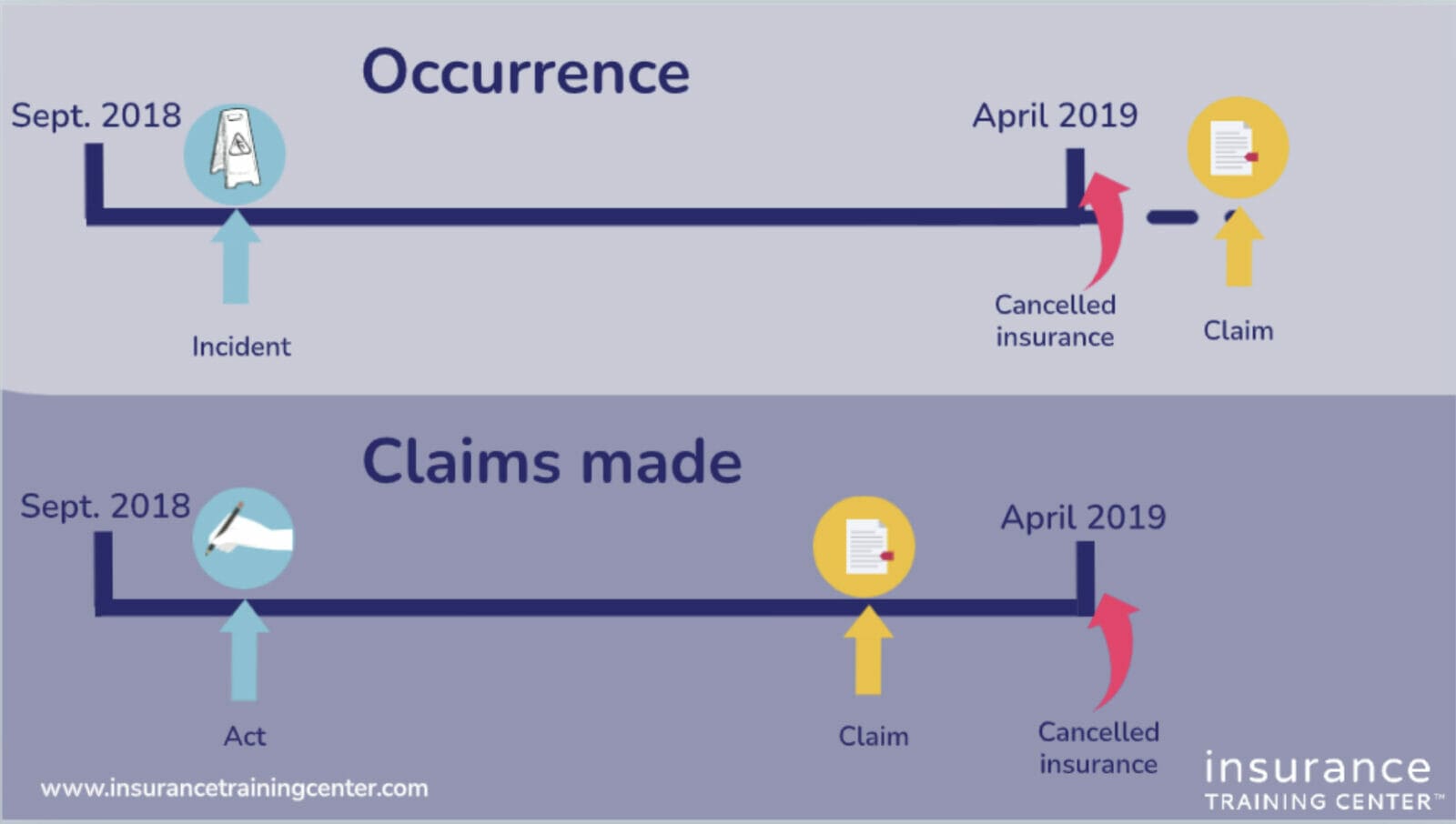
– Occurrence Insurance: This is the “set it and forget it” option. If something happens while your policy is active—say, a customer trips in your shop in 2023—you’re covered, even if they file a claim years later. The policy locks in protection for that incident, no matter when the claim shows up.
– Claims-Made Insurance: This one’s a little more complicated. It only covers claims filed while the policy is active (or during an extended period), and the incident has to have happened after a specific start date, called the retroactive date. If you let the policy lapse or switch insurers, you might lose coverage for past incidents. It’s like a subscription—you’ve got to keep it live to stay protected.
Key Differences at a Glance
Here’s how they stack up:
– Timing of Coverage:
– Occurrence: Covers incidents that happen during the policy period, regardless of when the claim is filed.
– Claims-Made: Covers claims filed during the policy period, as long as the incident occurred after the retroactive date.
– Simplicity:
– Occurrence: Easy—buy it, and you’re covered for that year’s incidents forever.
– Claims-Made: Trickier—coverage hinges on when the claim is made, so you’ve got to stay on top of it to avoid gaps.
– Cost:
– Occurrence: Usually costs more upfront since it covers claims indefinitely.
– Claims-Made: Often cheaper at first, but premiums can climb as the risk of past incidents builds up.
How Do These Apply to Your Business?
Each type shines in different scenarios. Let’s break it down:
– Occurrence Insurance works best for businesses with long-tail risks—issues that might not surface until years later. Examples include:
– Construction: A shaky foundation might fail long after the job’s done.
– Manufacturing: A faulty product could cause trouble down the line.
– General Liability: Think slip-and-fall cases that get filed late.
If your business has risks that could linger, occurrence coverage is your safety net.
– Claims-Made Insurance is a go-to for professional liability, where claims usually pop up soon after the work. Think:
– Doctors: Malpractice suits often come fast.
– Lawyers: Clients spot legal slip-ups quickly.
– Consultants: Errors get flagged during or right after a project.
It’s also common in directors and officers (D&O) insurance, tied to decisions made during the policy period.
Watch Out for the “Tail” with Claims-Made
Here’s a big gotcha with claims-made policies: if you switch insurers or shut down, you could lose coverage for past work unless you grab tail coverage. This add-on extends the time you can report claims after the policy ends. It’s a must if you’re retiring or changing providers—think of it as insurance for your insurance. It’s not cheap, but it can save you from a nasty surprise.
Which One’s Right for Your Business?
– Go with Occurrence If:
– Your risks might take years to show up.
– You want peace of mind without tracking claims deadlines.
– You’re in construction, manufacturing, or run a storefront.
– Pick Claims-Made If:
– Your risks get spotted and claimed fast.
– You’re in a professional field like healthcare, law, or consulting.
– You’re comfortable managing the policy to avoid gaps.
Wrapping It Up
The choice between occurrence and claims-made insurance boils down to your business’s risks. Are they slow burners that could haunt you later, or quick hits that resolve fast? Get this wrong, and you could be stuck with a claim and no coverage. If you’re still on the fence, think about your industry and how claims tend to play out—or better yet, let’s talk it over. At Wise Insurance Agency, we’ll sort through the details and find the policy that fits your business perfectly.