

Prepare Your Vehicle Before Winter Arrives
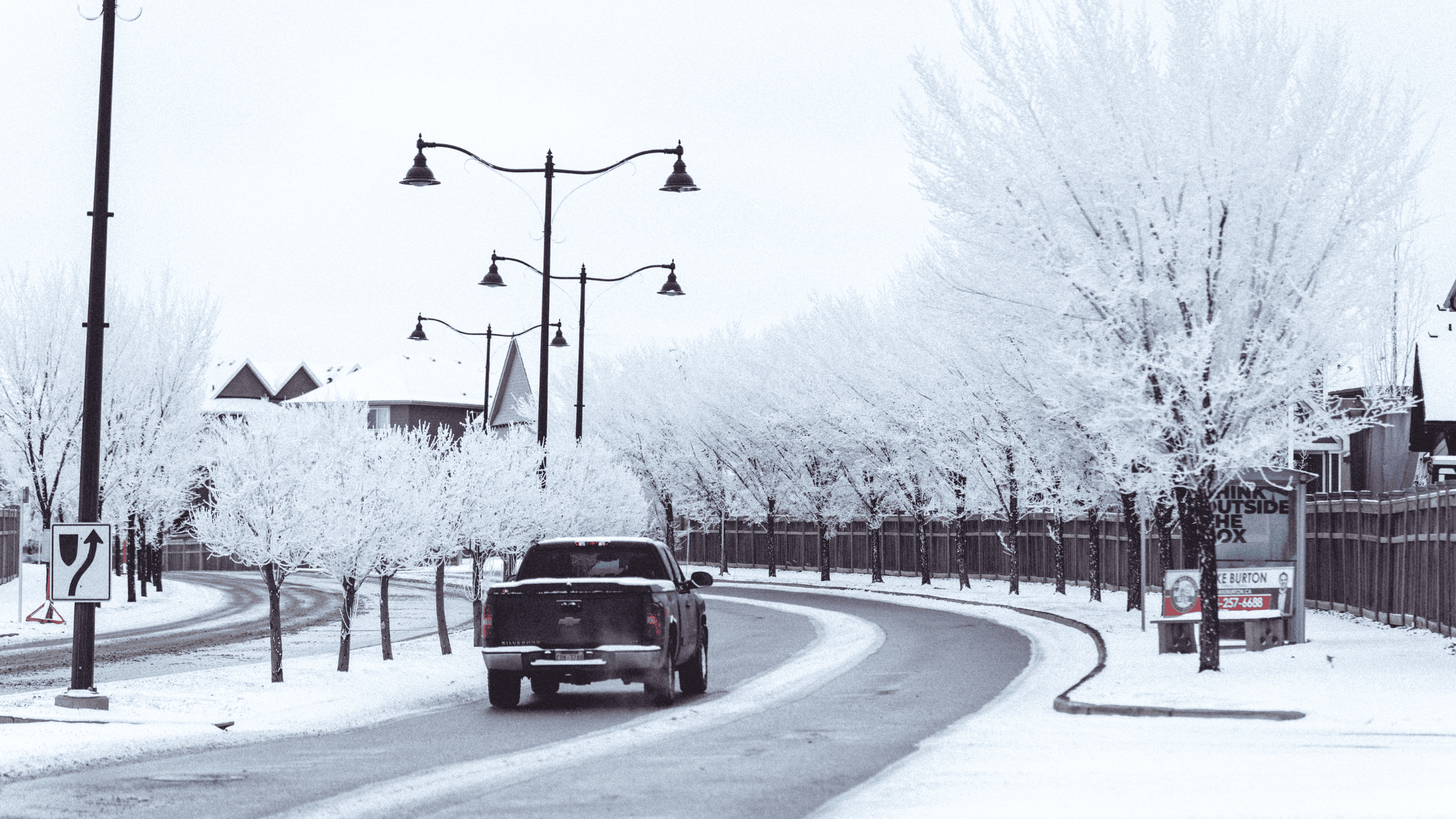
Winter brings hazardous road conditions, from icy patches to heavy snowstorms. Ice storms are most common when temperatures hover around freezing, while blizzards increase as temperatures drop further. Both conditions reduce visibility and make roads slippery, requiring extra caution and preparation.
Whether dealing with freezing rain, sleet, snow, or ice, the key to safe winter driving is preparing your vehicle ahead of time. Follow these recommendations to get your car ready for the season.
Vehicle Preparation Checklist
1. Battery:
-
Cold weather can drain your car battery. Check its voltage, clean corrosion from terminals, and ensure the alternator is working properly. Replace or recharge the battery if needed.
2. Antifreeze:
-
Test antifreeze levels to confirm subzero protection. If it’s been years since it was replaced or if your radiator shows sludge, flush and refill it.
3. Wipers and Washer Fluid:
-
Install new wiper blades and fill the washer reservoir with freeze-resistant fluid to maintain clear visibility.
4. Brakes:
-
Inspect brakes for responsiveness. Soft or noisy brakes may require checking the fluid, pads, rotors, and lines. Also, ensure your floor mats don’t restrict pedal movement.
5. Fuel:
-
Keep your fuel tank at least half full to avoid condensation and to ensure the heater can run if you’re stranded. For diesel engines, add cold-flow additives to prevent gelling.
6. Tires:
-
Check tire pressure, tread depth, and overall condition, including the spare tire. Keep a pressure gauge and tire service kit in your vehicle.
Emergency Kit Essentials
Don’t rely solely on your cell phone during an emergency—it could lose battery or signal. Equip your car with these essential items:
-
Flashlight: Use an LED flashlight with long battery life or a rechargeable option.
-
Emergency Battery Pack: Invest in one with features like phone charging and jump-start capabilities.
-
Jumper Cables: Carry heavy-duty, 20-foot, four-gauge cables and learn how to use them.
-
Tool Kit: Include a multi-tool, pliers, duct tape, and a tire plug kit. Ensure your car jack and tire iron are functional.
-
Blanket and Clothing: Pack a blanket, winter jacket, gloves, hat, boots, and thermal layers.
-
Food and Water: Store non-perishable snacks and a water bottle. You can melt snow for drinking water if necessary.
-
First-Aid Kit: Keep a kit with bandages, antiseptic, gloves, and other basics, along with an “In Case of Emergency” (ICE) card listing contacts, medications, and allergies.
-
Additional Items: Carry a small shovel, ice scraper, and flares, which can double as fire starters.
Driving Tips for Snow and Ice
Avoid driving in severe weather whenever possible. If you must venture out, follow these guidelines:
-
Slow Down: Reduce your speed to maintain control and leave extra space between vehicles.
-
Accelerate and Brake Gently: Abrupt movements can cause skidding. Practice driving in snowy conditions in an empty parking lot.
-
Handle Skids Safely: If skidding occurs, ease off the gas, avoid braking, and steer into the skid to regain control.
-
Use Lower Gears: Lower gears reduce speed and improve traction.
-
Chains and Snow Tires: In areas requiring tire chains or snow tires, ensure they’re installed properly. Snow tires offer better grip and flexibility in cold temperatures, though they can wear faster in warm weather.
Winter Storms: A Serious Risk
According to AAA, winter storms and icy roads contribute to over 500,000 crashes and 2,000 fatalities each year.
Stay safe by preparing your vehicle and honing your driving skills before winter arrives. With the right tools and precautions, you’ll be ready to navigate cold-weather challenges with confidence.