

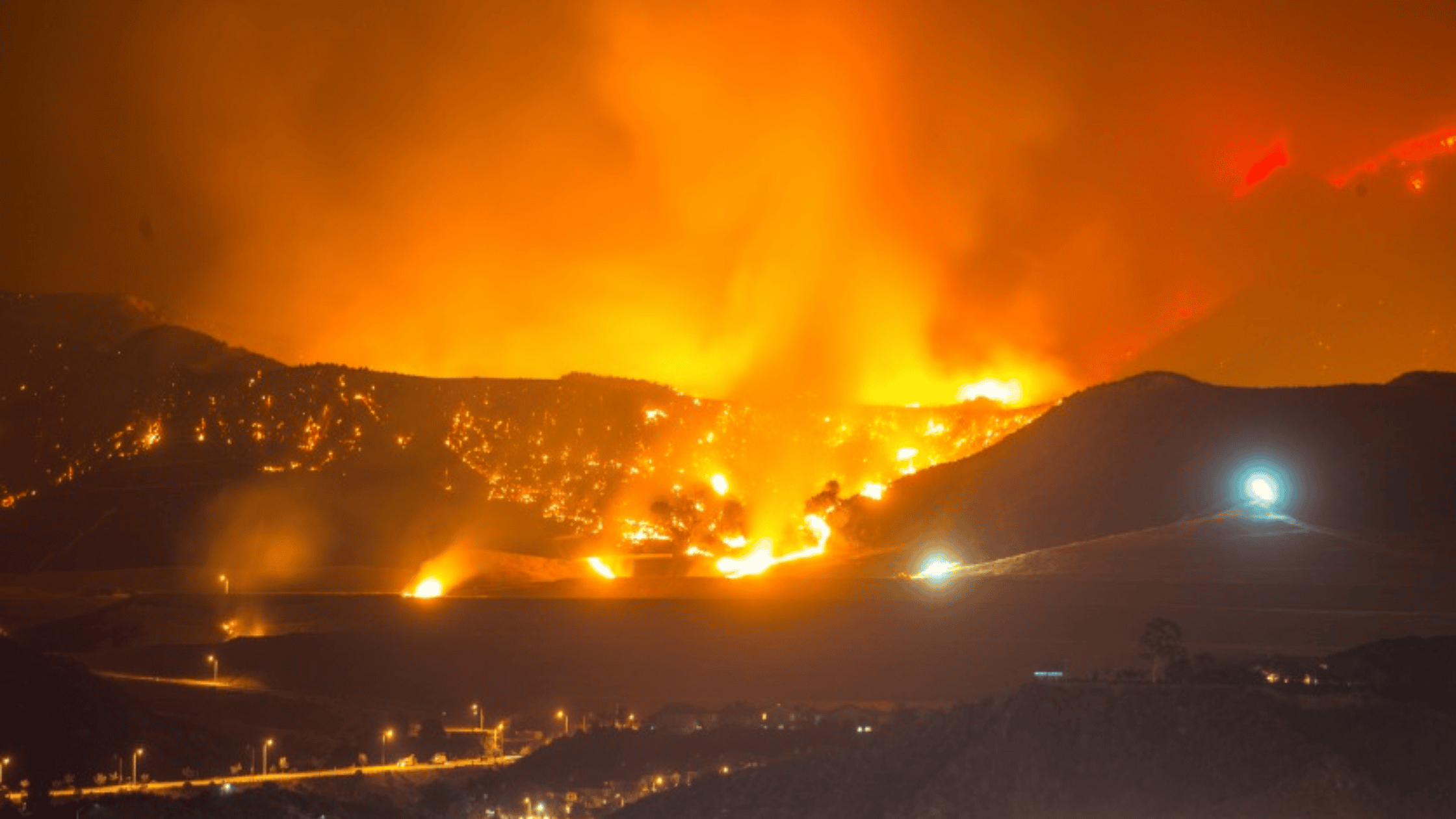
As wildfires rage in Southern California and hurricanes leave their mark on the Southeast, homeowners across the United States—even those far from disaster zones—are seeing their insurance premiums climb. It might seem unfair at first glance, but the reality is that the increasing frequency and severity of natural disasters have created a ripple effect that impacts homeowners nationwide.
How Natural Disasters Affect Your Insurance Rates
Insurance is fundamentally about risk-sharing, where premiums collected from policyholders are used to pay for claims from catastrophic events. With climate-related disasters becoming more frequent and costly, insurers are adjusting rates to account for these heightened risks.
According to CoreLogic, recent wildfires in California could produce insured losses between $35 billion and $45 billion, making them the third most expensive disaster in U.S. history, following Hurricane Katrina and Hurricane Ian. Add to this the billions in damage from recent hurricanes Helene and Milton, and it’s clear why insurers are raising premiums to manage these staggering losses.
A Patchwork of Regulation
Insurance rates in the U.S. are regulated at the state level, creating a patchwork system where rate increases vary significantly by state. Some states, like California, enforce strict regulatory oversight, limiting how much insurers can charge. Others, with less regulatory scrutiny, allow insurers to set rates that reflect both local and national risk factors.
This system leads to disparities. While insurers argue that rising premiums reflect the growing risks in specific regions, critics, like Carmen Balber of Consumer Watchdog, believe that weaker regulations in some states allow insurers to charge more than necessary, burdening customers unfairly.
Rising Costs Across the Board
From 2018 to 2022, homeowners insurance premiums have risen at an average annual rate of 8.7%, outpacing inflation. This increase isn’t just due to the costs of disasters themselves but also factors like:
-
Reinsurance Costs: Insurers purchase reinsurance to protect themselves from catastrophic losses, and the cost of this protection is climbing.
-
Increased Construction Costs: Rebuilding homes after disasters is more expensive due to labor shortages and higher material costs.
-
More Frequent Claims: With extreme weather events happening more often, insurers face more frequent payouts, driving up premiums for everyone.
The Role of Risk Sharing
For large, national insurance companies, risk-sharing is a cornerstone of their operations. This means that customers in the Midwest, for example, might see higher premiums due to hurricane damage in the Southeast or wildfires in the West. While this can feel frustrating, it’s also the mechanism that ensures your insurer has the resources to pay for your claims if a tornado, hailstorm, or other disaster impacts your area.
As Jon Schneyer of CoreLogic explains, “That’s how risk works in the insurance industry. It’s about pooling resources to protect against unexpected losses.”
What Homeowners Can Do
While homeowners can’t control the frequency of natural disasters or the insurance industry’s regulatory framework, there are steps they can take to manage their costs and ensure adequate protection:
-
Review Your Coverage: Work with an independent insurance agent to make sure you’re fully covered, especially as risks evolve.
-
Consider Higher Deductibles: Raising your deductible can lower your premium, but be sure you can afford the out-of-pocket expense if you file a claim.
-
Mitigate Risks: Take steps to reduce potential damage to your home, like installing storm shutters or maintaining defensible space around your property if you’re in a wildfire-prone area.
-
Bundle Policies: Combining home and auto insurance can often result in discounts.
The Road Ahead
With climate-related disasters on the rise, homeowners insurance is becoming a key way Americans feel the financial impact of a changing world. The increase in premiums reflects the broader challenges of managing these risks on a national scale.
At Wise Insurance Agency, we’re here to help you navigate these complexities. Our experienced team understands the challenges homeowners face and can provide tailored advice to protect your most valuable asset—your home.
Protect Your Home Today
Don’t leave your home vulnerable to unexpected disasters. Contact Wise Insurance Agency at 508-722-7100 or email us at for a personalized consultation.
We’ll help you understand your options, find the best coverage, and ensure your family’s financial security. With Wise Insurance Agency, you’ll have a trusted partner by your side to navigate the uncertainties of tomorrow.